REALISTIC 12-748 Patrolman Radio Squelch Circuit 70S No.
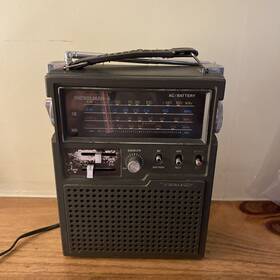
( Brand: Realistic ), ( Manufacturer Part Number: 12-748 ), ( Part Type: Radio ), ( Country Of Origin: Japan )
Review REALISTIC Vintage 70s Patrolman Radio Squelch Circuit No. Tested
The Realistic 12-748 70s Patrolman Radio Squelch Circuit is a must-have accessory for radio communication enthusiasts and collectors seeking an authentic 1970s experience. This circuit is designed to be used with vintage radios and provides effective squelch control, ensuring clear and interference-free reception of radio transmissions.
The Realistic 12-748 circuit is a compact and robust design, measuring just 2.5 inches long by 1.2 inches wide and 0.7 inches high. Its vintage appearance, with its green and black color scheme and round dial, perfectly complements 1970s-era radios.
The circuit features a variable squelch control, allowing you to adjust the level of background noise that is blocked before the radio speaker produces an output. This feature ensures that you only hear the desired transmissions and not unwanted noise, making your listening experience more enjoyable.
The Realistic 12-748 circuit is easy to install and use. It requires a 6-volt DC power source and can be connected to the radio using standard wiring connections for the squelch control and audio output. The circuit also includes a volume control, allowing you to adjust the volume of the radio's output to your preference.
The Realistic 12-748 circuit is built to last, with high-quality components and a rugged design that can withstand the rigors of regular use. Its retro design and effective functionality make it a valuable addition to any vintage radio collection, and a must-have for serious radio communication enthusiasts.
In summary, the Realistic 12-748 70s Patrolman Radio Squelch Circuit is a high-quality and functional accessory that provides effective squelch control for vintage radios. Its authentic 1970s design, ease of use, and robust construction make it a valuable addition to any radio communication setup.
Buying a 12-748 70s patrolman radio squelch circuit can offer several advantages and disadvantages for radio communication enthusiasts and hobbyists. Here are some potential pros and cons to consider before making a purchase.
Pros:1. Authenticity: This vintage radio squelch circuit is a replica of the one used in 70s patrolman radios. It can add an authentic touch to your vintage radio restoration project or collection.
2. Learn about history: Owning and using a 70s patrolman radio squelch circuit can provide insight into the history of radio communication technology.
3. Customizability: You can use this circuit to customize the squelch settings on your vintage radio, allowing you to filter out unwanted noise and focus on the desired signals.
4. Community: Joining the community of vintage radio enthusiasts and hobbyists can be a rewarding experience, as you can learn from others, share knowledge, and make new friends.
Cons:1. Compatibility: The 12-748 70s patrolman radio squelch circuit may not be compatible with all vintage radios, so it's essential to check compatibility before purchasing.
2. Complexity: Installing and configuring the circuit can be a complex process, especially for those new to radio communication technology.
3. Cost: The cost of purchasing a 12-748 70s patrolman radio squelch circuit may be higher than that of modern alternatives, which can be a deterrent for some.
4. Limited functionality: The circuit may not offer the same level of functionality as modern squelch circuits, which can limit its usefulness for some applications.
Conclusion:The decision to buy a 12-748 70s patrolman radio squelch circuit ultimately depends on your personal interests, experience level, and goals. If you're a vintage radio enthusiast or hobbyist looking to add an authentic touch to your collection or restoration project, this circuit could be an excellent investment. However, if you prioritize functionality, ease of use, and cost-effectiveness, other alternatives may be more suitable for you.
Recommendation:If you're interested in purchasing a 12-748 70s patrolman radio squelch circuit, I would recommend researching the circuit thoroughly and ensuring compatibility with your vintage radio before making a purchase. Additionally, seeking guidance from experienced radio communication enthusiasts or consulting online resources can help you make an informed decision.
Details:
Vintage radio tested and working condition does show signs of wear.
part #: 12748 prices
- $23.80-$32.25
specifications vinhomtel:
- brand: Realistic
- mpn: 12-748
- part type: Radio
- country of origin: Japan
seller vinhomtel:
- # reviews: 1400
- city: Durham, New Hampshire
- rating: 99.2%
shipping vinhomtel:
- service: USPS Ground Advantage
- type: Calculated
- transit: 6-9 Days
- cost: $22.55
- carrier: USPS
- class: Standard
offer vinhomtel:
- options: Ship-to-home
- best offers: True
- availability: In Stock
- quantity: 1
- started: April 23, 2026
- sold: 0
payments vinhomtel:
- other
- wallet: Paypal
- credit card: Visa
general vinhomtel:
- condition: Used
- Vintage Electronics > Vintage Audio Video > Vintage Radios
returns vinhomtel:
- policy: No Returns
Realistic 12-748 Is Similar To:
- 12-782 Realistic Vintage Radio Shack Shortwave Model (42.9% similar) Antenna extends as it should and unit has some cosmetic imperfections. Runs on 4 c batteries not included or attached power cord. The Realistic DX-65 shortwave am FM SW vintage radio works and is in good condition. This vintage, used electronics sold as is. I tested inside house. Not sure how to get...(September 7th, 2018)
- 0.5704696860282654 Vintage Realistic Ssb Am Cb Radio (32% similar) Condition: untested. Comes as shown. I'll get back to you as soon I can. No other accessories hardware software...(January 10th, 2019)
- 12 689 Realistic Vintage Radio Mta Model (45.6% similar) Made in Taiwan. Tested and works. Our is only an opinion and not considered appraisal value. Minor wear to the case, but in very good condition for its age. Handling charges are added in consideration of: the difficulty of packaging. Has an area on the back where you can add a external antenna it is...(August 1st, 2018)
- 12-107 Realistic Vintage Very Rare (44.9% similar) Are working properly. It requires 2 AAA batteries. I tested it found in good working order. There are signs of use or age, in the form light scratches scuffs on shiny black surface. 75I try to keep my prices very reasonable competitive while still making a small profit after paying shipping postage ...(February 24th, 2018)
- 12-113 Realistic Vintage Radio Shack Stereo Mate Model Leather Case (44.3% similar) Up for sale is a 1982 Realistic am FM stereo mate radio shack with leather case owners Manuel earphones measuring install headphone jacks takes 3 AA batteries tested and works like it should volume controls little scratchy when adjusting back of battery cover has one the taps broken off, makes ...(November 12th, 2018)
- 12-123 Realistic Vintage Stereo Mate (38.5% similar) Feel free to contact with any questions regarding this item battery cover is missing unit has visible scuffs and scratches on the case. Please see details from the photos. Included: Realistic am FM stereo mate specifications: model radio receiver requires 2 AAA batteries not included condition: fair...(January 29th, 2018)
- 12-128 Realistic Nice Vintage Am-fm (37% similar) They come with the original box. For sale:make: Realistic model: 12-128B stereo am FM headphones. The work great, although foam ear pads have deteriorated from age as can be seen in photos...(January 14th, 2018)
- 12-1293 Realistic Vintage Radioshack Push Play Portable Radio Model (44.3% similar) Vintage 70S Realistic radio shack push n play am-FM portable radio model this super cool and very rare shack is a must have for any collector. Radio measures approximately x it runs on electricity or c batteries not included. It has been tested and plays perfectly...(July 16th, 2018)
- 12-1314 Realistic Vintage Car Radio (48.1% similar) Hi, this is a vintage Realistic car radio antenna still in the original packaging sealed. The cable is close to 24 long. This is a nice collectors piece but can still be used just as well...(November 4th, 2017)
- 12-133 Realistic Vintage Stereo Mate Travel Size Clock Radio Speaker Or (44.4% similar) Works great missing one battery door in back it has a few dings and scuffs nothing major...(November 15th, 2018)
- 12-1345 Realistic Vintage Radio Shack Fm Converter Model Not Tested (57.1% similar) It might work, but I just don't know for sure. Only applies to listings that are free shipping. This listing is for the FM converter as shown. Confirm that everything shown is what you want. Tuner knob works as does the in and out push button. But, I cannot test, so am selling this as-is for repair ...(October 4th, 2018)